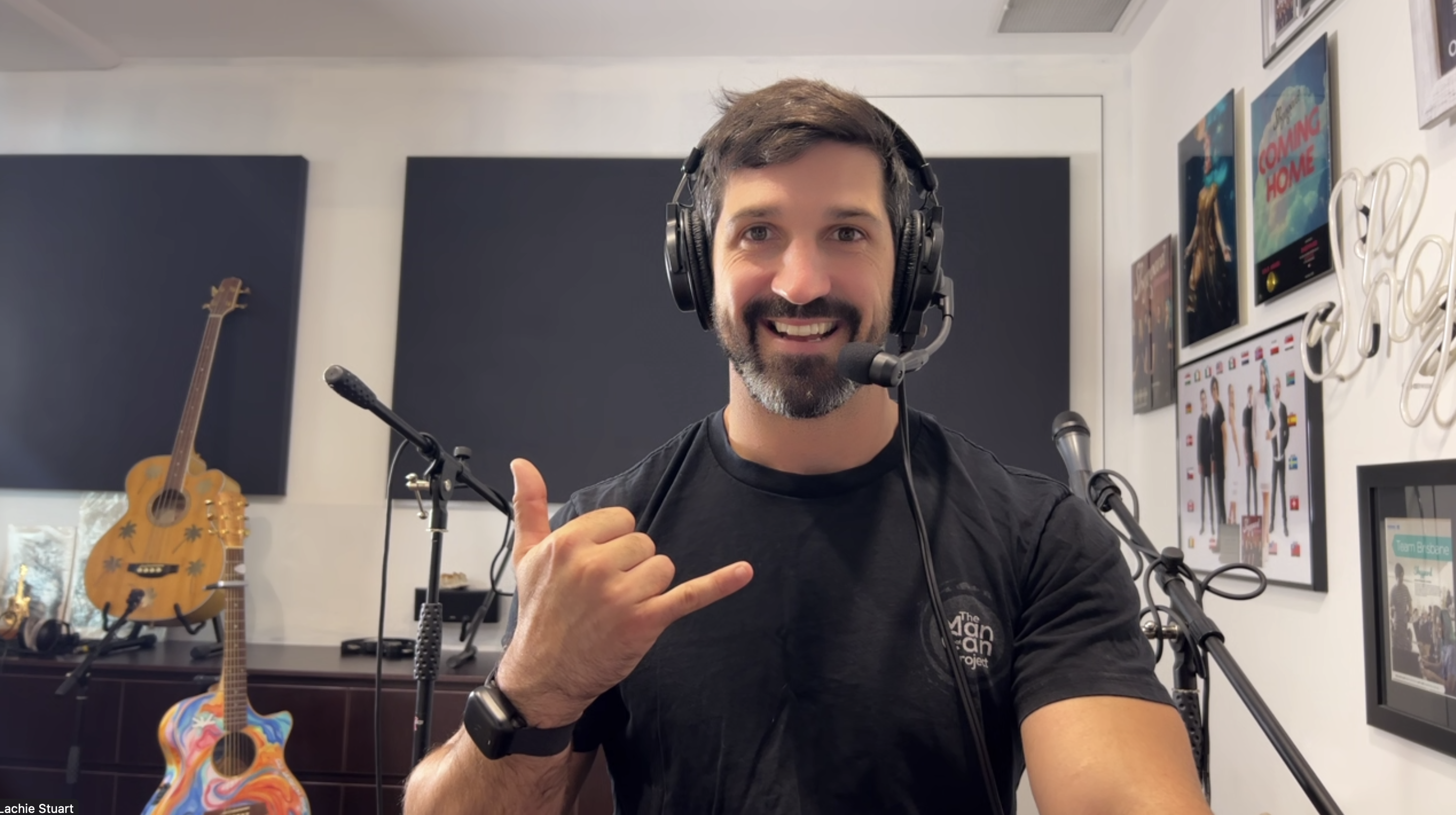
Some conversations change the way you see the world. My conversation with Jackson Rowden was one of them.
Jackson is my cousin, funnily enough, and we met properly only about six weeks before recording this episode. But what unfolded in our conversation was one of the most raw, honest, and important discussions I've had on the podcast.
We talked about addiction, recovery, mental health, and what it actually takes to rebuild a life after you've burnt it to the ground. If you're a man who's struggling, or you love someone who is, this is the conversation for you.
The Scale of the Problem
Jackson shared something that stopped me cold. We're looking at probably closer to 40 to 50 million people affected by addiction and co-occurring mental health conditions. You'll have people with mental health problems that are drug addicts, and vice versa. The two are so deeply intertwined that treating one without the other rarely works.
This isn't a fringe problem affecting a small group of people. This is an epidemic hiding in plain sight. And it's hitting men particularly hard because most men would rather suffer in silence than admit they need help.
The Path Down
Jackson's story started the way a lot of addiction stories start: slowly, then all at once. He started smoking weed at about 14 at the skate park. It escalated from there. The progression from recreational use to dependency to full-blown addiction happens so gradually that most people don't realise they've crossed the line until they're well past it.
What made Jackson's story particularly powerful was his honesty about the lifestyle. There was a period where he thought it was cool, where the money was good, where the lifestyle seemed exciting. He was gone nine months of the year, living a life that looked like freedom on the surface but was actually a cage.
That's the trap. Addiction rarely looks like rock bottom from the outside. It often looks like success, fun, freedom. Until it doesn't.
Recovery Requires Everything
Jackson was clear that recovery from addiction requires a combination of personal willingness, professional help, and community support. You need all three. Personal willingness alone isn't enough. Professional help alone isn't enough. Community alone isn't enough.
For Jackson, AA was the hand that reached out when he felt like he couldn't go back to his old life. He knew he needed something different. He knew the pattern had to break. And he was willing to try something he'd never tried before.
That willingness is the starting point. But it's not the finish line. Recovery is a daily practice, not a one-time decision. It's showing up, doing the work, being honest with yourself and the people around you when things get hard.
Purpose Through Service
The transformation in Jackson's story came when he shifted from trying to fix himself to trying to serve others. He saw the effect he was able to have on people around him, and that became his fuel.
This connects to something I believe deeply: purpose isn't something you find by looking inward. It's something you discover by looking outward. When you ask yourself whether you're of purpose and service to your family, your friends, your community, and the world, the answer tells you everything you need to know about whether you're on the right path.
Jackson started carving out better lives through goal setting, productivity, and community. He co-founded something built on the principle that recovery isn't just about stopping destructive behaviour. It's about building a life so good that you don't want to go back.
What This Means for Men Who Aren't Addicts
Here's why this conversation matters even if you've never touched a drug or had a problematic relationship with alcohol.
Every man has something he's using to numb. For some it's substances. For others it's work. Or social media. Or food. Or staying busy so you never have to sit with yourself.
The question Jackson's story forces you to ask is: what am I avoiding? What conversation am I not having with myself? What would I have to face if I removed my go-to coping mechanism?
That's the real work. And it's the work that separates men who are truly performing at a high level from men who just look like they are from the outside.
Recovery Is Possible
If you're reading this and you recognise yourself in any part of Jackson's story, know this: recovery is possible. Change is possible. But it starts with honesty. Honesty with yourself about where you are, and the willingness to ask for help.
Recovery from addiction often requires a combination of personal willingness, professional help, and community support. You don't have to figure it out alone. You weren't meant to.
And if you're a man who's watching someone you love struggle, have the conversation. Don't wait. Don't assume someone else will say something. Be the person who cares enough to speak up.
That's what it means to be a man who leads. Not just in business or in the gym, but in the moments that actually matter.
If you want to assess where you stand across the four pillars that matter most, take the free Own Your Week Scorecard and find out where your biggest opportunity for growth is.
If you or someone you know is struggling, reach out. And if you want more conversations like this, subscribe to the Man That Can podcast.